

At Jam Up!, we’re passionate about sharing expert insights that support families, carers, and professionals working with autistic children and young people. In this blog, our psychology intern Candela interviews Gemma Carlier, an experienced Occupational Therapist and lecturer at the University of Essex, about the benefits of breathing techniques for autistic children.
With over 20 years of experience in mental health, child development, and working with neurodiverse young people, Gemma explains how simple breathing exercises can help children regulate emotions, reduce anxiety, and feel calmer in everyday life.
Why Breathing Techniques Can Benefit Autistic Children
According to Gemma, breathing strategies are powerful tools to help children move from a stressed or overwhelmed state into a calmer one.
When children are stressed, they may be operating in the sympathetic nervous system (the “fight or flight” response). This can cause:
Fast, shallow breathing
Digestive issues or “butterflies” in the stomach
The urge to run away or shut down
Heightened anxiety and overwhelm
Breathing exercises can help shift the body into the parasympathetic nervous system (the “rest and digest” state), where children feel more relaxed, regulated, and able to focus.
Do Breathing Exercises Work for Everyone?
Not all strategies suit every child. For some autistic children, focusing on their breath may feel uncomfortable or even increase anxiety. That’s why Gemma recommends a trial-and-error approach:
Introduce breathing techniques gently
Avoid practising when the child is already distressed
Use clear, age-appropriate explanations about what’s happening in the body
Validate the child’s unique sensory experiences
This personalised approach ensures breathing techniques feel safe, not stressful.
Practical Breathing Exercises for Autistic Children
Gemma shared a wide range of minimal and feasible exercises that parents, carers, and educators can try at home or in school:
Simple Breathing Activities
Lazy 8 Breathing: Follow the shape of a figure-eight with your finger, breathing in on one loop and out on the other.
Candle Breathing: Imagine holding up five candles (your fingers). Blow one out with each exhale.
Visual & Play-Based Tools
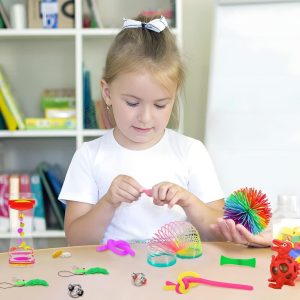
Expanding Ball Breathing: Use a Hoberman sphere or stretchy toy. Breathe in as it expands, out as it closes.
Blowing Bubbles: Encourages long exhales and provides calming visual stimulation.
Pinwheels or Blow Football: Fun games that regulate breathing through controlled exhalation.
Movement & Sensory Strategies
Peanut Ball Rocking: Lying on a therapy ball and gently rocking with each breath.
Music & Gentle Movement: Pairing breathwork with dance, yoga, or stretching.
Deep Pressure or Tapping: Provides grounding feedback to help children reconnect with their bodies.
Small Spaces: Creating cosy dens, beanbag corners, or using swings to combine breathing with comfort.

The Role of Co-Regulation
Breathing techniques don’t need to be practised alone. Co-regulation—when a parent or carer helps a child regulate—remains a vital tool. This can include:
Rocking, hugging, or holding for comfort
Breathing together
Creating calm routines as a family
Parents also need to look after their own regulation, as a child’s stress can quickly affect them too. Exploring strategies together can strengthen bonds and provide mutual support.
Building a Toolkit of “Glimmers”
Gemma encourages families to build a personalised regulation toolkit of strategies that bring comfort, pleasure, and calm. These are sometimes referred to as “glimmers”—small positive experiences that help children reset.
Every autistic child is unique, so identifying which activities feel safe and enjoyable is key. What works for one child may not work for another, and that’s okay.
Key Takeaway
Breathing techniques can be an effective way to support autistic children in managing stress and anxiety, but they must be introduced with care, flexibility, and respect for each child’s unique needs. By combining breathing strategies, sensory tools, and co-regulation, families can create powerful opportunities for children to feel calmer, more grounded, and more in control.
At Jam Up!, we believe in practical, evidence-based support that makes daily life easier for autistic children and their families.
